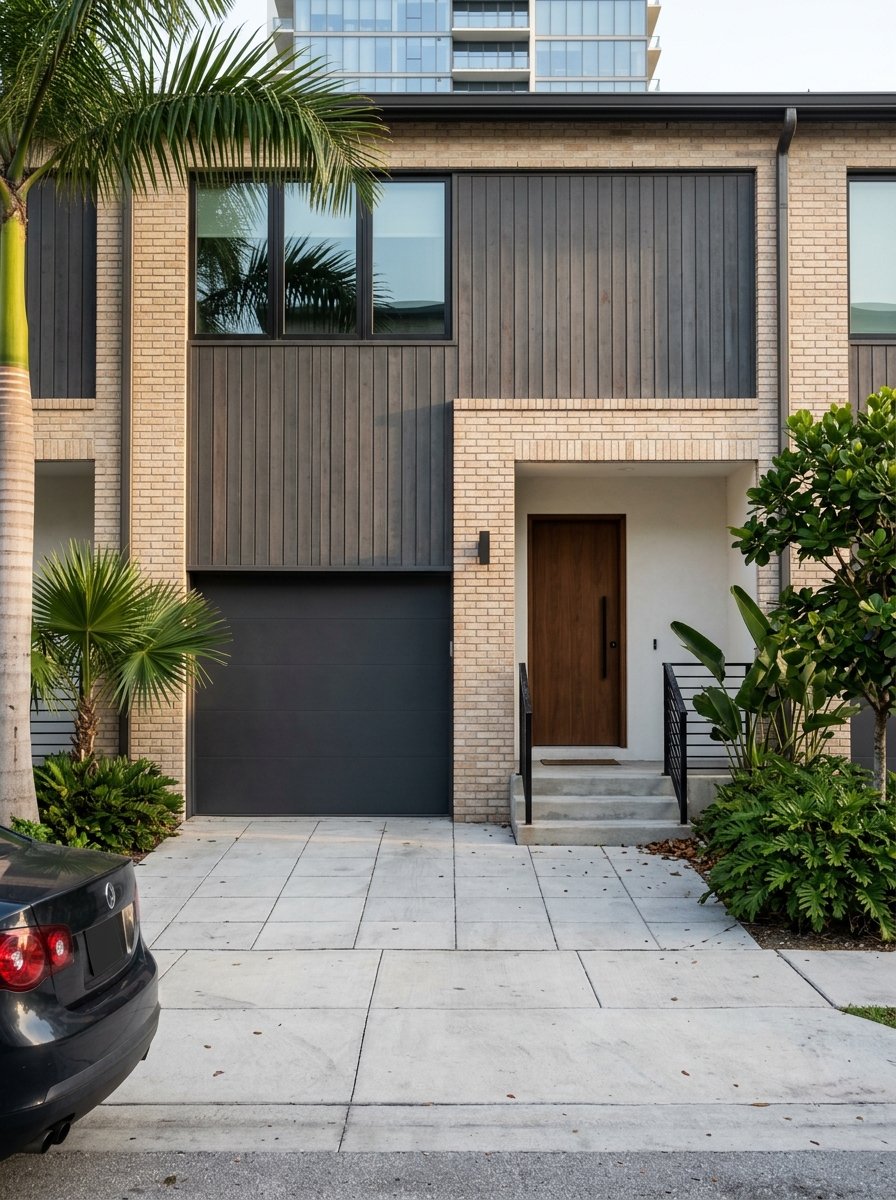
Trying to choose between a condo and a townhome in downtown Fort Lauderdale? You are not alone. For many buyers in 33301, the decision comes down to how you want to live day to day, how much maintenance you want to handle, and how important walkability, parking, and amenities are to you. If you are weighing both options, this guide will help you compare the trade-offs and focus on what matters most before you buy. Let’s dive in.
Downtown Fort Lauderdale Lifestyle
Downtown Fort Lauderdale offers a more connected, urban lifestyle than many buyers expect. The city’s planning goals for the area focus on compact development that supports transit, walking, and biking, which shapes how many people live and move through the neighborhood.
That matters when you are comparing property types. A home in this part of Fort Lauderdale is not just about square footage. It is also about how close you are to Riverwalk, Las Olas, parks, restaurants, cultural attractions, and downtown mobility options.
Riverwalk is one of the area’s best-known features. The city describes it as the cornerstone of downtown’s arts, science, cultural, and historic district, and the broader district includes access to public art, museums, restaurants, parks, and a free water trolley.
If you want a home base that lets you enjoy more of the city without depending on your car for every outing, downtown can be a strong fit. Buyers who prefer a more urban routine often start by looking at condos, while those who want a little more separation and privacy often add townhomes to the search.
Condo vs Townhome Basics
Before you compare floor plans and finishes, it helps to understand the ownership structure. In Florida, a condominium is built around an individual unit plus shared common elements, and the condo association is generally responsible for maintaining, repairing, and replacing common elements or other condo property assigned to it by the declaration.
That association can also collect assessments to cover common expenses. In practical terms, that often means more of the shared-building upkeep is built into your monthly ownership costs.
A fee-simple townhome usually works differently. In a homeowners association, you typically own the parcel and the home itself, while still being part of an HOA with required membership and assessments.
For many buyers, the easiest way to think about it is this: condos often feel more building-centered, while townhomes often feel more house-like. Neither is automatically better. The right fit depends on your priorities.
Why a Condo May Fit You
A downtown condo often makes sense if you want the most urban version of Fort Lauderdale living. In many cases, that means a location close to transit, dining, entertainment, and the shared features that come with a larger residential building.
Condo living can be especially appealing if you want less direct responsibility for shared-building maintenance. Because Florida condo associations handle common elements as laid out in the governing documents, many buyers like the simplicity of having building systems and shared areas managed at the association level.
This option may be worth a closer look if you want:
- A more lock-and-leave lifestyle
- Access to shared amenities within a residential building
- A home close to downtown activity
- A car-light routine supported by transit and mobility options
Downtown Fort Lauderdale has unusually strong mobility choices for South Florida. Brightline stops downtown, Broward County Transit serves destinations across the county, and LauderGO includes free local mobility services such as community shuttle, water trolley, and micro mover options.
Why a Townhome May Fit You
A townhome may be a better fit if you want a little more privacy and a more residential feel while staying close to downtown. Many buyers are drawn to the idea of a private entrance, a layout that feels more like a single-family home, and less shared-building intensity.
That does not mean a townhome is maintenance-free. In an HOA setting, you are still subject to community covenants and assessments, and those costs and rules can affect your monthly budget and your day-to-day use of the property.
A townhome may make sense if you value:
- A more house-like ownership structure
- A private entry experience
- Less dependence on elevators, lobbies, or large common areas
- A slightly quieter feel while staying near downtown destinations
For some buyers, this is the sweet spot. You can stay connected to Las Olas, Riverwalk, and the urban core while choosing a property type that feels a bit more independent.
Parking Can Change the Decision
In downtown Fort Lauderdale, parking is not a small detail. It can be one of the most important parts of your decision.
The city has noted that density growth from the urban core has made parking scarcer in areas like Flagler Village. Public garages downtown include locations such as City Hall Garage, Las Olas Garage, and Riverwalk Center Garage, and some offer resident rates and EV charging.
When you compare condos and townhomes, ask very specific parking questions early. Do not assume every property handles parking the same way.
Here are a few smart questions to ask:
- Is the parking space assigned or deeded?
- Is guest parking available?
- Are there EV charging options on-site or nearby?
- Is parking covered, attached, detached, or garage-based?
- Does the area rely on a residential permit program?
A beautiful property can feel less convenient very quickly if the parking setup does not match your routine. If you work odd hours, host guests often, or want a second vehicle, this deserves close attention.
Pet Rules Matter More Than You Think
Downtown Fort Lauderdale offers good pet-friendly perks, but every building or community can set its own rules. Riverwalk and other city locations are dog-friendly, and city park rules allow domestic pets in parks on a six-foot leash, with some limits around athletic and water areas.
That local lifestyle benefit is real, but it does not replace community rules. A condo or townhome association may still have restrictions tied to pet count, size, breed, or use of common areas.
If you have pets, verify the details before you get too far into the process. A quick conversation at the start can save you from a disappointing surprise later.
What to Review Before You Buy
Whether you choose a condo or a townhome, your due diligence should go beyond finishes and location. In downtown Fort Lauderdale, the documents, fees, and maintenance responsibilities can have a major effect on your ownership experience.
Condo Due Diligence
If you are buying a condo, ask for the key documents required under Florida law. These can help you understand the building’s financial picture, monthly costs, and operating rules.
Request:
- Declaration
- Bylaws
- Rules and regulations
- Annual financial statement
- Annual budget
- Other required disclosure materials
This step is especially important when monthly fees make up a significant part of your total cost of ownership. You want a clear view of what the association is responsible for and how that responsibility is funded.
Townhome Due Diligence
If you are buying an HOA townhome, ask for the disclosure summary, community covenants, assessment schedule, and any history of special assessments. Florida law requires that buyers receive the disclosure summary before signing the contract.
That summary is important because it makes clear that you will be a member of the HOA and required to pay assessments. You should also understand any practical use restrictions that come with the property.
Building Condition Questions
For condo buildings that are three stories or more, confirm whether the property has a current milestone inspection and structural integrity reserve study if required under Florida law. These are critical questions for qualifying buildings, especially near the coast where inspection timing may come earlier.
You should also ask who is responsible for items such as roofs, windows, balconies, and hurricane protection. In Florida, those responsibilities can differ by building because the declaration may assign them either to the association or to the unit owner.
A Simple Way to Decide
If you are still torn, bring the decision back to how you want your week to feel. Picture your arrival home, your parking routine, your pet needs, your maintenance preferences, and how often you plan to walk, bike, or use transit.
A condo often makes the most sense if you want a more amenity-forward, urban, and car-light version of downtown Fort Lauderdale living. A townhome often makes more sense if you want a more private, house-like setup and are comfortable with a different HOA structure and maintenance rhythm.
Neither choice is one-size-fits-all. The goal is to match the property type to your lifestyle, not just your budget or your first impression.
If you are comparing condos and townhomes in downtown Fort Lauderdale, the right guidance can make the process much clearer. The E+E group can help you weigh location, ownership structure, monthly costs, and lifestyle fit so you can make a confident move.
FAQs
What is the main difference between a condo and a townhome in downtown Fort Lauderdale?
- A condo typically involves ownership of an individual unit plus shared common elements managed by a condo association, while a fee-simple townhome usually has a more parcel-based ownership structure within an HOA.
Is parking important when choosing a downtown Fort Lauderdale condo or townhome?
- Yes. Downtown parking can vary widely by property, and you should verify whether parking is assigned, deeded, guest-friendly, EV-ready, or tied to permit rules.
Are downtown Fort Lauderdale condos good for car-light living?
- They can be, especially because downtown has access to Brightline, Broward County Transit, LauderGO services, and other mobility options.
Do townhomes in Fort Lauderdale still have HOA fees and rules?
- Yes. Many townhomes are part of an HOA, which means required membership, assessments, and community covenants.
What documents should you review before buying a condo in Florida?
- You should ask for the declaration, bylaws, rules, annual financial statement, annual budget, and other required disclosure materials.
What should you ask about hurricane-related maintenance in a Fort Lauderdale condo?
- Ask who is responsible for roofs, windows, balconies, and hurricane protection, because those duties can differ based on the building’s governing documents.
Are downtown Fort Lauderdale properties pet-friendly?
- Many downtown lifestyle features are pet-friendly, including Riverwalk and certain city parks, but each condo or townhome community may have its own pet restrictions.