Thinking about buying a cabin near Blue Ridge and using it as a vacation rental? It can be an appealing strategy, but this market rewards careful planning more than guesswork. If you want a property that works for your lifestyle and has realistic rental potential, you need to understand local demand, the right property fit, and the rules that can affect your numbers. Let’s dive in.
Why Blue Ridge draws vacation renters
Blue Ridge benefits from a broad tourism base rather than a single travel niche. Visitors come for hiking, trout fishing, tubing, whitewater rafting, shops, galleries, breweries, wineries, and the Scenic Railway. The area is also marketed for romantic getaways, family vacations, reunions, fishing trips, and business retreats, which means demand can come from several types of guests.
Another strength is accessibility. The area is about 90 miles north of Atlanta, which supports the drive-to weekend market that often powers mountain rentals. For many buyers, that makes Blue Ridge and the surrounding parts of Fannin County attractive for both personal use and short-stay demand.
The climate also supports more than one peak season. Blue Ridge has warm summers and mild winters, with tourism activity stretching into fall foliage season and holiday events. That year-round appeal can help support bookings beyond summer, especially during fall weekends and late-year travel periods.
What the current rental market suggests
Public AirDNA data shows 2,142 vacation rentals in the Blue Ridge market, with 47% occupancy, a $349.30 average daily rate, and $159 RevPAR. Those numbers are useful as broad benchmarks, not guarantees for a specific property. They help you frame expectations, but they should never replace property-level analysis.
The market is overwhelmingly made up of entire homes. In fact, 99% of listings are whole-home rentals, which tells you a lot about what guests are looking for in this area. Blue Ridge is not primarily a one-room or single-guest stay market.
Size matters too. The most common rental sizes are 3-bedroom homes at 37%, followed by 2-bedroom homes at 24% and 4-bedroom homes at 22%. That pattern points to a clear guest preference for properties that can handle couples, families, or small groups sharing a mountain getaway.
Property types that tend to fit the market
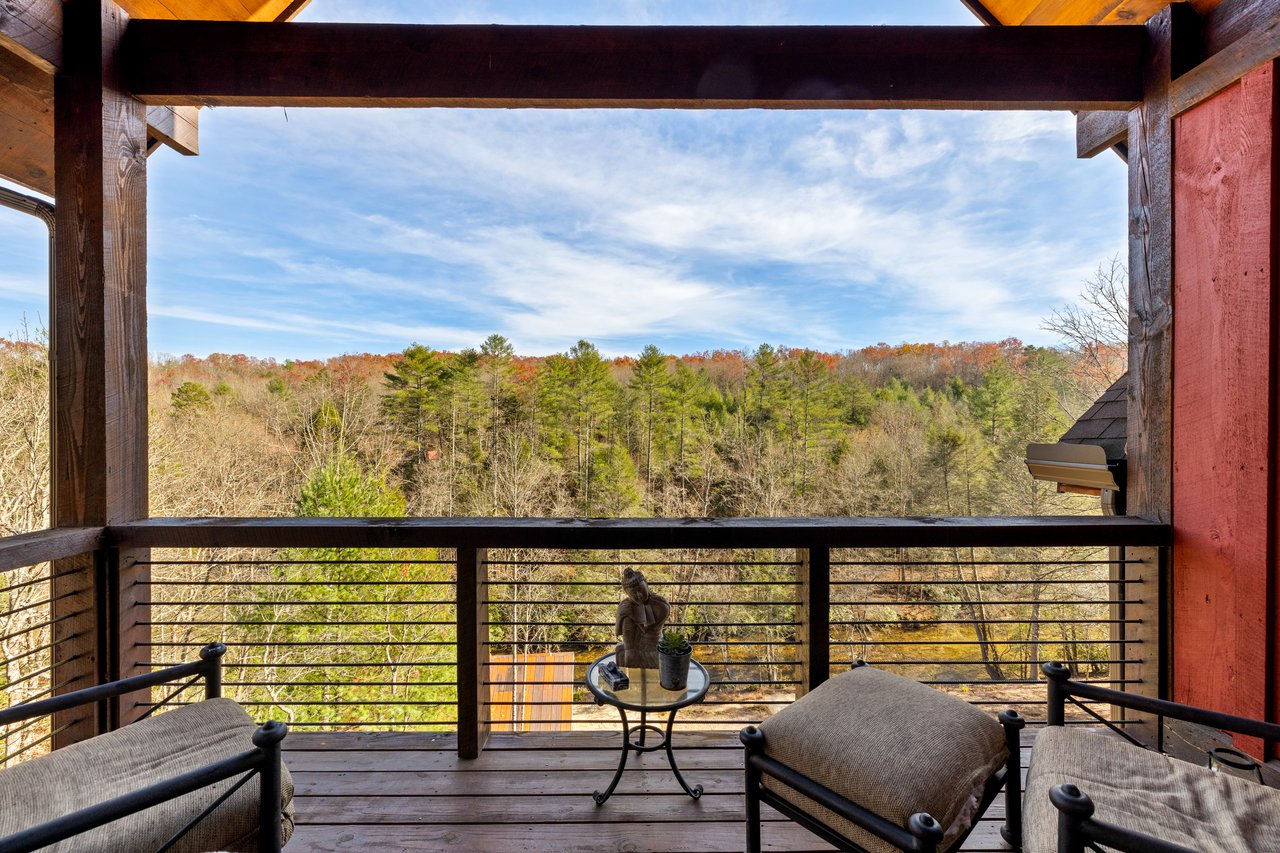
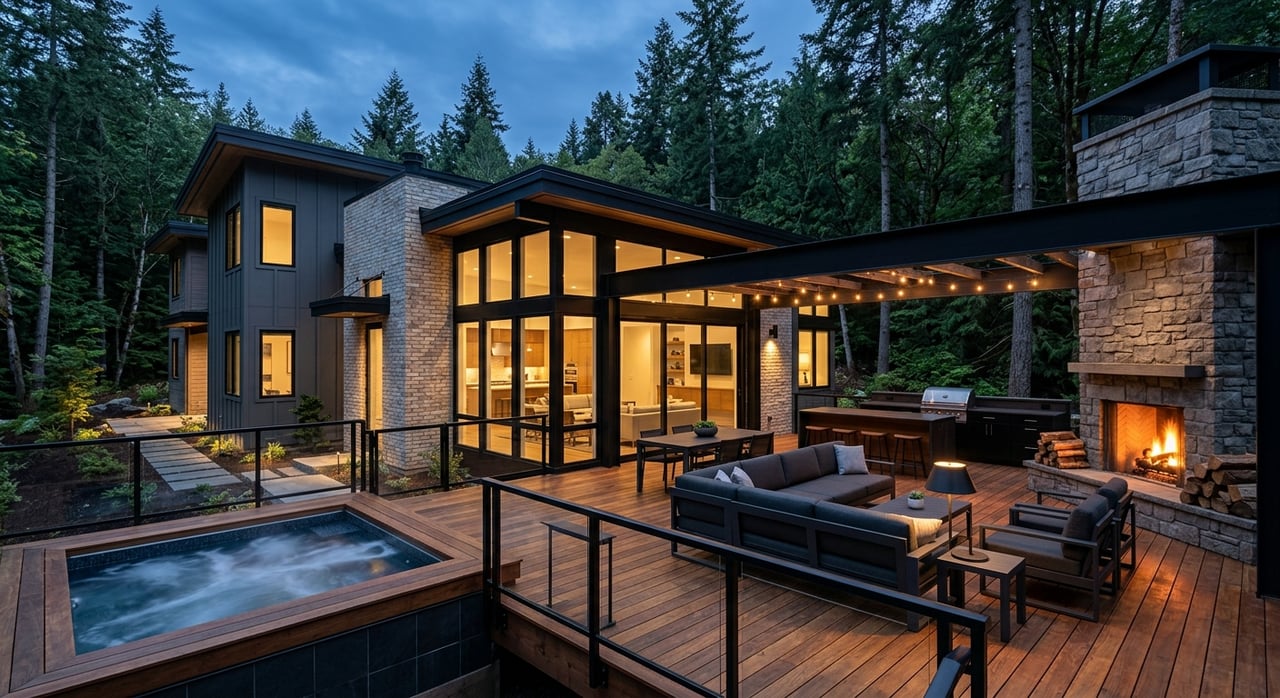
If you are evaluating a vacation rental strategy in Blue Ridge surrounding areas, the strongest fit is often a whole-house cabin or lodge. Mountain-view homes, creekside retreats, riverfront fishing lodges, lake cabins, and cozy or luxury cabin rentals all align with how the area is promoted to visitors. That matters because the best-performing concepts usually match the local travel experience buyers are actually shopping for.
From a practical standpoint, the market also favors homes that can support short stays comfortably. AirDNA data shows that 67.6% of listings use a 2-night minimum. That suggests many guests are booking weekend trips rather than long, extended stays.
Common amenities in the market include air conditioning, internet, kitchen access, and heating. In other words, guests expect the basics to work well. Reliable connectivity and comfortable all-season use are not extras in this market. They are part of the standard guest experience.
Why seasonality matters to your plan
Blue Ridge is seasonal, but not in a simple summer-only way. Summer travel matters, of course, but the local tourism calendar also highlights major fall and holiday activity. Events like Fall Arts in the Park and Light Up Blue Ridge point to strong demand windows that can extend well beyond peak warm-weather months.
For you as a buyer, this means underwriting should reflect a vacation pattern built around weekends, leaf season, and holiday travel. A cabin here may perform more like a weekend-and-holiday business than a steady monthly income property. That creates opportunity, but it also creates variability.
Variable demand affects how you think about cash flow. Some periods may book well, while other stretches may be quieter. A smart strategy should account for those swings instead of assuming smooth, even occupancy throughout the year.
Operations can influence results
This is a competitive market with a visible professional management presence. Public AirDNA data identifies major operators in the area such as Escape To Blue Ridge, Southern Comfort Cabin Rentals, Vacasa, Evolve, and Mountain Escape Rentals. That tells you Blue Ridge is not an informal rental market where a listing can succeed on location alone.
Because of that, presentation and operations matter. Fast guest communication, dependable housekeeping, timely maintenance, and a polished listing can all influence performance. In a market with mature competition, the way a property is run can matter nearly as much as the property itself.
Frequent turnovers are also part of the model. Since the market skews toward whole homes and short minimum stays, owners should expect more cleaning coordination, more scheduling complexity, and more guest support than they would with a traditional long-term lease. If you are buying from out of town, your local support system becomes especially important.
Blue Ridge city rules to check first
Before you get too far into rental projections, start with one key question: is the property inside Blue Ridge city limits? That answer can change what is legally possible. Inside the City of Blue Ridge, short-term vacation rentals are limited to commercially zoned parcels in the Central Business District, Limited Commercial, and General Commercial zoning categories.
The city also states that no rental may be offered until a short-term vacation rental certificate, an occupation tax certificate, and all applicable state and city taxes are in place. This is why legal eligibility should come before revenue modeling. A beautiful cabin is not automatically a legal short-term rental.
The certificate application requires notarized paperwork, proof of ownership, an exemplar guest agreement, and a $25 annual rental-certificate fee. The city also requires a contact person who can respond by telephone within 24 hours. In addition, the listed maximum occupancy must match the application, and owners must show that guests will not disrupt neighboring properties.
Taxes and reporting are part of the math
If a property is inside Blue Ridge city limits and eligible for STR use, ongoing compliance is part of ownership. The city requires monthly reporting by the 20th of each month, even if no rent was collected. Late payment can trigger penalties, so this is not something to treat casually.
The city also levies an 8% hotel-motel excise tax on short-term occupancy. Blue Ridge states that occupational tax licenses are required for all businesses located and operating inside city limits as well. These costs and responsibilities need to be built into your analysis from the beginning.
For many buyers, this is where expectations become more realistic. Gross income is only one part of the picture. Taxes, management, maintenance, cleaning, insurance, and reserves all affect actual performance.
How to evaluate a property before you offer
A grounded rental strategy starts with a comp set that goes deeper than ZIP code. Compare properties by bedroom count, setting, access, and amenity level. A 3-bedroom cabin with strong access and appealing outdoor space may compete very differently from another 3-bedroom home that looks similar on paper.
It also helps to check whether the property fits the dominant local demand profile. Since the market is led by 2- to 4-bedroom whole-home rentals, properties in that range may align more naturally with guest demand. That does not guarantee success, but it gives you a stronger starting point.
Access is another major filter. In mountain markets, guest convenience and service logistics can shape reviews and repeat bookings. If guests and cleaners have trouble reaching the home, operations can become harder during busy weekends and holiday periods.
A simple framework for buyers
If you are weighing a vacation rental purchase in Blue Ridge surrounding areas, focus on these questions first:
- Is the property inside Blue Ridge city limits?
- If it is inside city limits, does zoning allow STR use?
- Does the home fit the market’s common 2- to 4-bedroom whole-home demand?
- Does it have the core amenities guests expect, like internet, heating, air conditioning, and a functional kitchen?
- Is access practical for guests, cleaners, and maintenance teams?
- Can a local contact or manager respond quickly when issues come up?
- Have you built local taxes, management, cleaning, maintenance, insurance, and reserves into your numbers?
This kind of framework can help you avoid chasing the wrong property for the wrong reasons. In a market like Blue Ridge, the best opportunities are usually the ones that combine lifestyle appeal with a realistic operating plan.
The bottom line for Blue Ridge buyers
A vacation rental in the Blue Ridge area can make sense if you approach it with clear eyes. The market benefits from year-round tourism appeal, strong weekend demand, and a product mix that favors whole-home cabins for couples, families, and small groups. At the same time, competition, seasonality, and local rules mean your strategy needs to be practical from day one.
The right purchase is not just about views or finishes. It is about legal eligibility, guest fit, operational ease, and disciplined underwriting. When you align those pieces early, you put yourself in a much better position to buy with confidence.
If you want help evaluating cabins, second homes, or investment-minded opportunities in Blue Ridge and the surrounding North Georgia mountains, E+E group can help you approach the search with local insight and a clear strategy.
FAQs
What type of vacation rental is most common in Blue Ridge?
- Public AirDNA data shows the market is dominated by entire homes, with 99% of listings categorized as whole-home rentals.
What bedroom count fits Blue Ridge vacation rental demand?
- The most common listing sizes are 3-bedroom homes, followed by 2-bedroom and 4-bedroom properties, which suggests these sizes align well with local guest demand.
Are Blue Ridge vacation rentals only a summer strategy?
- No. Local tourism patterns show demand in summer, fall foliage season, and holiday periods, which points to a broader seasonal calendar.
What should buyers verify about Blue Ridge STR rules first?
- Buyers should first confirm whether a property is inside Blue Ridge city limits and, if so, whether its zoning allows short-term rental use.
What permits are required for a short-term rental inside Blue Ridge city limits?
- The city states that owners need a short-term vacation rental certificate, an occupation tax certificate, and all applicable state and city taxes in place before offering the rental.
What taxes apply to short-term rentals inside Blue Ridge?
- Blue Ridge states it levies an 8% hotel-motel excise tax on short-term occupancy, and monthly reporting is required even if no rent was collected.
Why is property management important for Blue Ridge vacation rentals?
- The market includes several established professional managers, which means operations like housekeeping, maintenance, guest communication, and listing presentation can strongly affect performance.